- Furniture
- Sofas & Loveseats
- Accent Chairs
- Recliners
- Massage Chairs
- Coffee Tables
- End & Side Tables
- Ottomans
- Entertainment Centers & TV Stands
- Cabinets & Chests
- Beds & Bed Frames
- Mattresses
- Nightstands
- Dressers & Chests
- Armoires & Wardrobes
- Makeup Vanities
- Jewelry Armoires
- Clothing & Closet Storage
- Bedding
- Dining Room Sets
- Dining Tables
- Dining Chairs
- Bar Tables
- Bar Stools
- Kitchen Islands & Carts
- Sideboards, Cabinets & Buffets


- Outdoor
- Patio Conversation Sets
- Outdoor Sectionals
- Patio Dining Sets
- Patio Dining Chairs
- Patio Tables
- Patio Bar Furniture
- Patio Rocking Chairs & Gliders
- Adirondack Chairs
- Outdoor Benches
- Porch Swings
- Hammocks
- Outdoor Chaise Lounges
- Beach & Lawn Chairs
- Outdoor Furniture Accessories
- Raised Garden Beds
- Plant Stands
- Plant Supports
- Potting Benches & Tables
- Greenhouses
- Grow Tents
- Garden Tools
- Sheds & Outdoor Storage
- Carports
- Garages
- Camping Furniture
- Tents
- Coolers
- Air Mattresses & Sleeping Bags


- Kitchen
- Appliances
- Decor
- Bath
- Baby & Kids
- Toys & Hobbies
- Sports
- Pets
- Health & Beauty
- Sales & Deals


- LIVE







 Quick View
12000 BTU 17 SEER2 208-230V Ductless Mini Split Air Conditioner and Heater
$519.00$739.00
Save $220 (29%)
 End in 52 : 59 : 21Price DropQuick View
18000 BTU 19 SEER2 208-230V Ductless Mini Split Air Conditioner and Heater
$671.00$1,041.00
Save $370 (35%)
- End in 52 : 59 : 21Price DropQuick View
24000 BTU 18.5 SEER2 208-230V Ductless Mini Split Air Conditioner and Heater
$949.00$1,286.00
Save $337 (26%)
- Quick View
12000 BTU 20 SEER2 115V Ductless Mini Split Air Conditioner
$599.00$745.00
Save $146 (19%)
- Quick View
9000 BTU 17 SEER2 208-230V Ductless Mini Split Air Conditioner and Heater
$499.00$623.00
Save $124 (19%)
- BestsellerQuick View
Energy Star Certified 12000 BTU 21 SEER2 208-230V Ductless Mini Split Air Conditioner with Heater Pump
$569.00$811.00
Save $242 (29%)
- Quick View
Energy Star Certified 22000 BTU 21 SEER2 Ductless Mini Split Air Conditioner and Heater 208-230V Works with Alexa
$1,129.00$2,507.00
Save $1378 (54%)
- BestsellerQuick View
Energy Star Certified 17000 BTU 21 SEER2 Ductless Mini Split Air Conditioner and Heater 208-230V
$779.00$1,729.00
Save $950 (54%)
- New ArrivalsQuick View
22000 BTU 21 SEER2 208-230V Wifi Enabled Mini Split Air Conditioner and Heater White
$1,299.00$1,624.00
Save $325 (20%)
- New ArrivalsQuick View
22000 BTU 21 SEER2 208-230V Wifi Enabled Mini Split Air Conditioner and Heater Black
$1,299.00$1,624.00
Save $325 (20%)
- New ArrivalsQuick View
12000 BTU 22 SEER2 208-230V Wifi Enabled Mini Split Air Conditioner and Heater Black
$659.00$824.00
Save $165 (20%)
- New ArrivalsQuick View
12000 BTU 22 SEER2 208-230V Wifi Enabled Mini Split Air Conditioner and Heater White
$659.00$823.00
Save $164 (19%)
- New ArrivalsQuick View
17000 BTU 21 SEER2 208-230V Wifi Enabled Mini Split Air Conditioner and Heater White
$859.00$1,074.00
Save $215 (20%)
- Quick View
17000 BTU 21 SEER2 208-230V Wifi Enabled Mini Split Air Conditioner and Heater Black
$859.00$1,074.00
Save $215 (20%)
- New ArrivalsQuick View
12000 BTU 21 SEER2 208-230V Wifi Enabled Mini Split Air Conditioner and Heater Gray
$629.00$786.00
Save $157 (19%)
- Quick View
17000 BTU 21 SEER2 208-230V Wifi Enabled Mini Split Air Conditioner and Heater Gray
$859.00$1,074.00
Save $215 (20%)
- Only 50 Left In StockSuper Early BirdQuick View
22000 BTU 21 SEER2 208-230V Wifi Enabled Mini Split Air Conditioner and Heater Gray
$1,249.00$1,624.00
Save $375 (23%)
- New ArrivalsQuick View
Mini Split Wall Mounting Bracket for 12000-24000 BTU Universal Ductless AC
$37.00$46.00
Save $9 (19%)
- New ArrivalsQuick View
Mini Split Wall Mounting Bracket for 6000-12000 BTU Universal Ductless AC
$32.00$40.00
Save $8 (20%)
 Added to
 What is a Ductless Mini Split Air Conditioner?
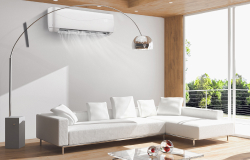
A Ductless Mini Split Air Conditioner is a flexible and energy-efficient air conditioning system, typically consisting of two main components: an outdoor compressor/condenser and one or more indoor air-handling units. These units are connected by a small conduit, eliminating the need for traditional ductwork. This design makes the installation process simpler and minimizes disruption to existing structures.
Applicable Scenarios
1.Single Rooms: Ductless mini split air conditioners are particularly suitable for providing independent temperature control for single rooms or areas, such as bedrooms, offices, garages, or basements.
2.Buildings Without Ductwork: For older houses or buildings without existing duct systems, ductless mini split air conditioners are an ideal choice as they do not require complex duct installations.
3.New Additions: If you have added a new room or expanded an area in your existing home, ductless mini split air conditioners can provide independent temperature control for these new spaces.
4.Multi-Zone Control: Some systems support up to four indoor units, making them suitable for larger homes or commercial spaces that require independent temperature control in multiple areas.
What Problems Can It Solve for Users?
1.Easy Installation: Unlike traditional central air conditioning systems, ductless mini split air conditioners do not require complex duct installations, reducing installation time and costs.
Energy Efficiency: The ductless design avoids energy losses associated with ductwork leaks. Their inverter technology also makes them more efficient, effectively reducing energy consumption and electricity bills.
2.Independent Control: Each indoor unit can be controlled independently, eliminating the problem of uneven temperature distribution in traditional air conditioning systems and providing customized comfort for each room.
3.Quiet Operation: The indoor units of ductless mini split air conditioners are typically designed for quiet operation, making them suitable for bedrooms and offices where a quiet environment is needed.
4.Improved Air Quality: Many ductless mini split air conditioning systems come with advanced air filters that effectively remove dust, pollen, and other allergens from the air, enhancing indoor air quality.
Conclusion
Ductless mini split air conditioners are a modern, efficient, and flexible air conditioning solution suitable for various scenarios, especially where installing traditional central air conditioning systems is not feasible or convenient. They are easy to install, energy-efficient, provide independent temperature control, and improve air quality, making them an ideal choice for enhancing comfort in residential or commercial spaces. Choosing the right ductless mini split air conditioner can effectively address many common issues associated with air conditioning use, providing you with a more comfortable and healthier indoor environment.






$200