- Furniture
- Sofas & Loveseats
- Accent Chairs
- Recliners
- Massage Chairs
- Coffee Tables
- End & Side Tables
- Ottomans
- Entertainment Centers & TV Stands
- Cabinets & Chests
- Beds & Bed Frames
- Mattresses
- Nightstands
- Dressers & Chests
- Armoires & Wardrobes
- Makeup Vanities
- Jewelry Armoires
- Clothing & Closet Storage
- Bedding
- Dining Room Sets
- Dining Tables
- Dining Chairs
- Bar Tables
- Bar Stools
- Kitchen Islands & Carts
- Sideboards, Cabinets & Buffets
- Outdoor
- Patio Conversation Sets
- Outdoor Sectionals
- Patio Dining Sets
- Patio Dining Chairs
- Patio Tables
- Patio Bar Furniture
- Patio Rocking Chairs & Gliders
- Adirondack Chairs
- Outdoor Benches
- Porch Swings
- Hammocks
- Outdoor Chaise Lounges
- Beach & Lawn Chairs
- Outdoor Furniture Accessories
- Raised Garden Beds
- Plant Stands
- Plant Supports
- Potting Benches & Tables
- Greenhouses
- Grow Tents
- Garden Tools
- Sheds & Outdoor Storage
- Carports
- Garages
- Camping Furniture
- Tents
- Coolers
- Air Mattresses & Sleeping Bags
- Kitchen
- Appliances
- Decor
- Bath
- Baby & Kids
- Toys & Hobbies
- Sports
- Pets
- Health & Beauty
- Sales & Deals


- LIVE



 End in 53 : 17 : 49Price DropQuick View
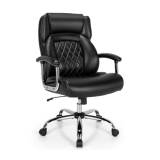
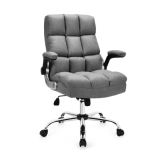
Height Adjustable Big and Tall Office Chair Computer Desk Chair with Metal Base
$189.00$398.00
Save $209 (52%)
- Quick View
Set of 2 Stackable Rolling Office Chairs with Mesh Backrest
$199.00
- Quick View
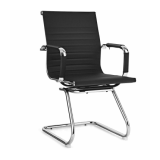
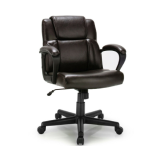
Mid Century Office Chair Faux Leather with Armrests
$99.00$124.00
Save $25 (20%)
- Quick View
Ergonomic Office Chair with 360-degree Wheels
$64.00$128.00
Save $64 (50%)
- Quick View
PU Leather Massage Office Chair with Thick Foam Cushion
$219.00$438.00
Save $219 (50%)
- Quick View
Massage Executive Office Chair with 6 Vibrating Points
$189.00$266.00
Save $77 (28%)
- Quick View
Adjustable Leather Executive Office Chair Computer Desk Chair with Armrest
$99.00$175.00
Save $76 (43%)
- Quick View
Big and Tall Adjustable High Back Leather Executive Computer Desk Chair
$139.00$278.00
Save $139 (50%)
- ClearanceQuick View
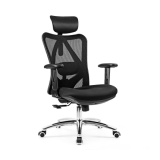
Ergonomic Office Chair with N Type Lumbar Support and Adjustable Headrest
$149.00$186.00
Save $37 (19%)
- Quick View
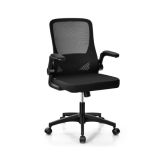
Mesh Office Chair with Adaptive Lumbar Support, Flip-up Armrests, Reclining Backrest
$109.00$127.00
Save $18 (14%)
- Quick View
Set of 5 Stackable Conference Chairs with Mesh Back
$399.00$740.00
Save $341 (46%)
- BestsellerQuick View
Adjustable Height Mid Back Mesh Drafting Office Chair
$104.00
- Quick View
Set of 2 Heavy Duty Conference Chair with Protective Arm Sleeves
$169.00$241.00
Save $72 (29%)
- Quick View
Set of 2 Conference Office Chairs with Lumbar Support
$159.00$318.00
Save $159 (50%)
- Quick View
Ergonomic Desk Chair with Lumbar Support and Flip-up Armrest
$99.00$166.00
Save $67 (40%)
- Quick View
Mesh Office Chair High Back Ergonomic Swivel Chair
$89.00$179.00
Save $90 (50%)
- Quick View
Mid-Back Mesh Height Adjustable Executive Chair with Lumbar Support
$69.00$139.00
Save $70 (50%)
- Quick View
18 Inch to 22.5 Inch Height Adjustable Ergonomic High Back Mesh Office Chair Recliner with Hanger
$139.00$346.00
Save $207 (59%)
- Quick View
400LBS Mesh Big and Tall Office Chair Swivel Task Chair
$139.00$236.00
Save $97 (41%)
- ClearanceQuick View
High Back Mesh Office Chair with Clothes Hanger
$149.00$371.00
Save $222 (59%)
- End in 53 : 17 : 49Price DropQuick View
Mesh Drafting Chair Office Chair with Adjustable Armrests and Foot-Ring
$141.00$235.00
Save $94 (40%)
- Quick View
Ergonomic Mesh Office Chair with Adjustable Back Height and Armrests
$129.00$320.00
Save $191 (59%)
- Quick View
Swivel Mesh Office Chair with Foldable Backrest and Flip-Up Arms
$99.00
- ClearanceQuick View
High Back Mesh Executive Chair with Adjustable Lumbar Support
$139.00$279.00
Save $140 (50%)
- Quick View
High-Back Executive Chair with Adjustable Lumbar Support and Headrest
$104.00$127.00
Save $23 (18%)
- Quick View
High Back Ribbed Office Chair with Armrests
$139.00$307.00
Save $168 (54%)
- ClearanceQuick View
High Back Mesh Office Chair with Heating Headrest
$94.00$235.00
Save $141 (60%)
- Quick View
Adjustable Mesh Office Chair Rolling Computer Desk Chair with Flip-up Armrest
$74.00$185.00
Save $111 (60%)
- Quick View
Ergonomic Desk Chair with Lumbar Support and Rocking Function
$74.00$91.00
Save $17 (18%)
- Quick View
Mesh Ergonomic Office Chair Adjustable Swivel Task Chair with Rocking Backrest
$129.00$161.00
Save $32 (19%)
- ClearanceQuick View
Low-back Computer Task Chair with Adjustable Height and Swivel Casters
$54.00$134.00
Save $80 (59%)
- ClearanceQuick View
Armless Computer Chair with Height Adjustment and Breathable Mesh for Home Office
$59.00$98.00
Save $39 (39%)
- Quick View
Tufted Upholstered Swivel Computer Desk Chair with Nailed Tri
$109.00$184.00
Save $75 (40%)
- ClearanceQuick View
1 Piece Adjustable Modern Swivel Round Tufted Chair
$99.00$198.00
Save $99 (50%)
- Quick View
Fabric Adjustable Mid-Back Armless Office Swivel Chair
$96.00$213.00
Save $117 (54%)
- End in 53 : 17 : 49Price DropQuick View
Adjustable Swivel Office Chair with High Back and Flip-up Arm for Home and Office
$160.00$189.00
Save $29 (15%)
- Quick View
Modern Fluffy Faux Fur Vanity Office Chair for Teens Girls
$159.00$225.00
Save $66 (29%)
- Quick View
PU Leather Adjustable Office Chair Swivel Task Chair with Backrest
$71.00$154.00
Save $83 (53%)
- Quick View
Velvet Desk Chair with Adjustable Swivel and Removable Cushion
$144.00$205.00
Save $61 (29%)
- ClearanceQuick View
Fabric Home Office Chair with Rocking Backres
$159.00$397.00
Save $238 (59%)
- Quick View
Swivel PU Leather Drafting Chair with Retractable Mid Back
$99.00$172.00
Save $73 (42%)
- Quick View
Adjustable Hollow Mid Back Leisure Office Chair with Armrest
$99.00$123.00
Save $24 (19%)
- ClearanceQuick View
High Adjustable Back Executive Office Chair with Armrest
$144.00$360.00
Save $216 (60%)
- Quick View
PU Leather Office Chair with Rocking Backrest and Ergonomic Armrest
$79.00$158.00
Save $79 (50%)
- Quick View
Computer Desk Chair Adjustable Sherpa Office Chair Swivel Vanity Chair
$91.00
- ClearanceQuick View
Velvet Home Office Chair with Wooden Armrest
$99.00$154.00
Save $55 (35%)
- ClearanceQuick View
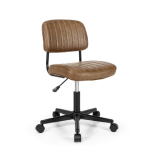
Adjustable Leather Office Chair Swivel Bentwood Desk Chair with Curved Seat
$89.00$178.00
Save $89 (50%)
- Quick View
Swivel Acrylic Armless Adjustable Height Office Chair
$99.00$199.00
Save $100 (50%)
 Added to
 Related Searches
When shopping for office chairs, it's essential to consider factors that contribute to comfort, productivity, and overall well-being. Here's a concise guide to help you make an informed decision:
Ergonomics
Prioritize chairs designed with ergonomic features, such as adjustable lumbar support, seat height, and armrests. This promotes proper body alignment, reducing the risk of discomfort or injury during long work hours.
Material and Build Quality
Look for chairs made from durable materials like mesh, leather, or high-quality fabric. A sturdy frame ensures longevity, and breathable materials contribute to a comfortable seating experience.
Adjustability
Opt for chairs with multiple adjustment options. The ability to customize the chair to your specific needs, including tilt, recline, and swivel features, enhances comfort and adaptability.
Seat Cushioning
Consider the thickness and quality of the seat cushion. A well-padded seat provides adequate support and prevents fatigue during extended periods of sitting.
Mobility
Choose chairs with smooth-rolling casters, especially if your workspace requires you to move around frequently. This ensures ease of mobility without causing strain on the body.
Style and Aesthetics
While comfort is paramount, the chair's design should also complement your office decor. Opt for a style that aligns with your workspace aesthetics without compromising on functionality.
Weight Capacity
Check the chair's weight capacity to ensure it can adequately support your body weight. This is crucial for both comfort and safety.
Brand Reputation and Reviews
Research the brand and read user reviews to gauge the chair's real-world performance. Reliable brands often provide better customer support and quality assurance.
Warranty
A solid warranty reflects the manufacturer's confidence in their product. Look for chairs that come with a reasonable warranty, covering potential defects or issues.
Budget Considerations
While it's important not to compromise on quality, consider your budget constraints. There are many excellent, budget-friendly options that offer a good balance between affordability and features.
In conclusion, investing in the right office chair is an investment in your health and productivity. By focusing on ergonomic design, adjustability, material quality, and user reviews, you can make a well-informed decision tailored to your specific needs and preferences.






$200